Ukraine’s dairy sector has entered its deepest crisis in recent years. Producers are operating at a loss, and by the end of 2026 the country risks losing 500,000–600,000 tons of milk, nearly 20% of industrial production. In these circumstances, state support becomes critically important for preserving cattle numbers and stabilizing the market.
These issues were discussed on February 25, 2026, during the hearing of the Verkhovna Rada Committee on Agrarian and Land Policy titled “Strategic Development of Ukraine’s Dairy Sector: Problems and Prospects,” attended by the Ukrainian Agri Council (UAC).
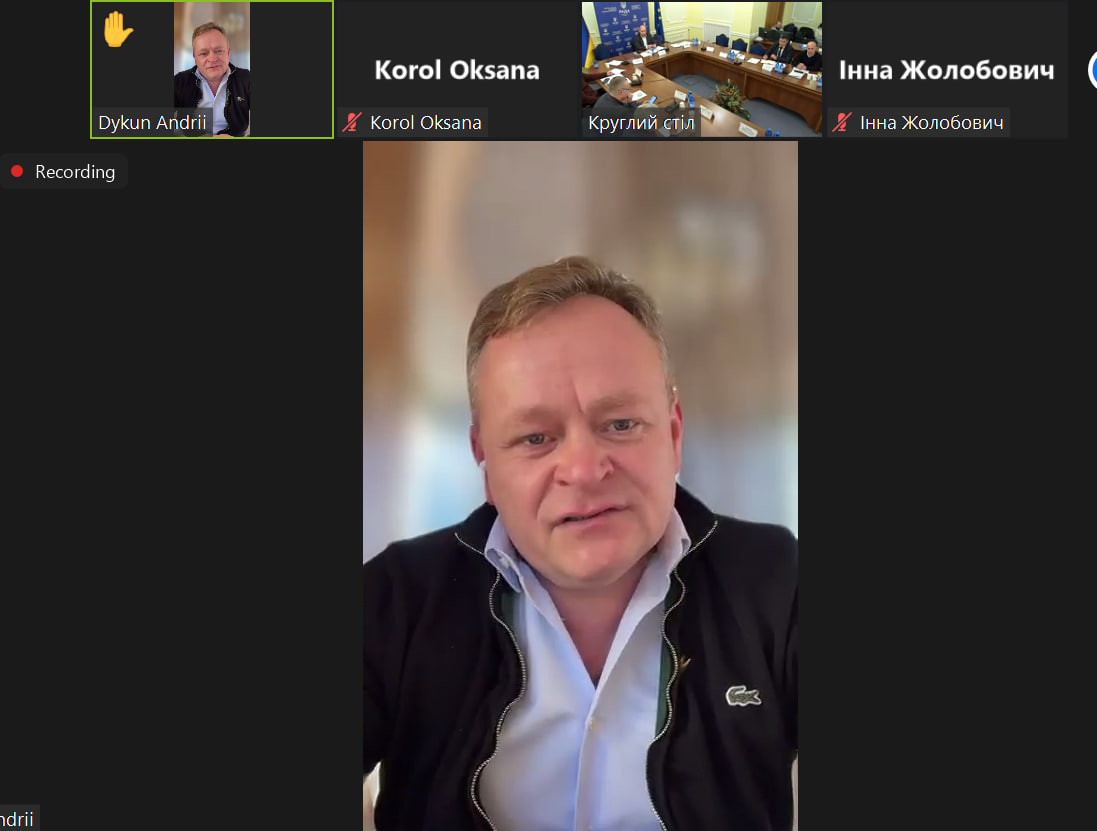
The event brought together Members of Parliament, representatives of the Ministry of Economy, Environment and Agriculture of Ukraine, the State Service of Ukraine on Food Safety and Consumer Protection, industry associations, and dairy producers.
Andrii Dykun, Chairman of the Ukrainian Agri Council (UAC), raised the issue of expanding support programs for dairy farms, particularly in the context of appealing to international partners to strengthen financing for the sector.
“We are counting on a state support program for dairy farms. It is extremely important that it applies not only to farms with up to 100 head of cattle, but to all farms. Without such support, in the short term we see a real threat of a reduction in cattle numbers,” Andrii Dykun emphasized.
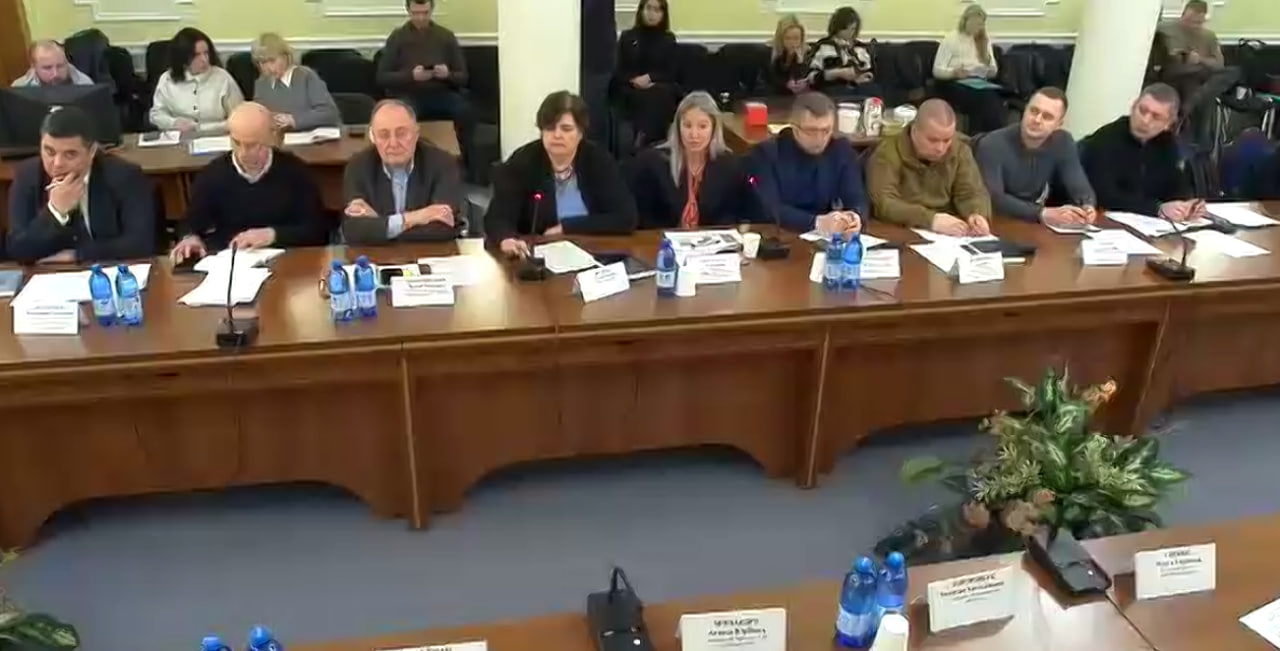
Special attention during the discussion was also given to the problem of counterfeit and shadow circulation of dairy products, which directly affects the competitiveness of legitimate producers.
“The level of adulteration in the dairy sector has reached alarming proportions. We must move from acknowledging the problem to concrete solutions. It would be advisable to create a working group involving representatives of the Ministry of Economy, the State Food Safety Service, the Ministry of Internal Affairs, customs authorities, and civil society. Professional joint work will allow us to develop clear and effective legislative proposals,” Andrii Dykun noted.
Participants also discussed ways to implement the “School Milk” program and potential funding sources. Approximately 4.4 million schoolchildren study in Ukraine, and implementation of the program would require 195,000 tons of milk annually, or about 5% of total processing volumes.
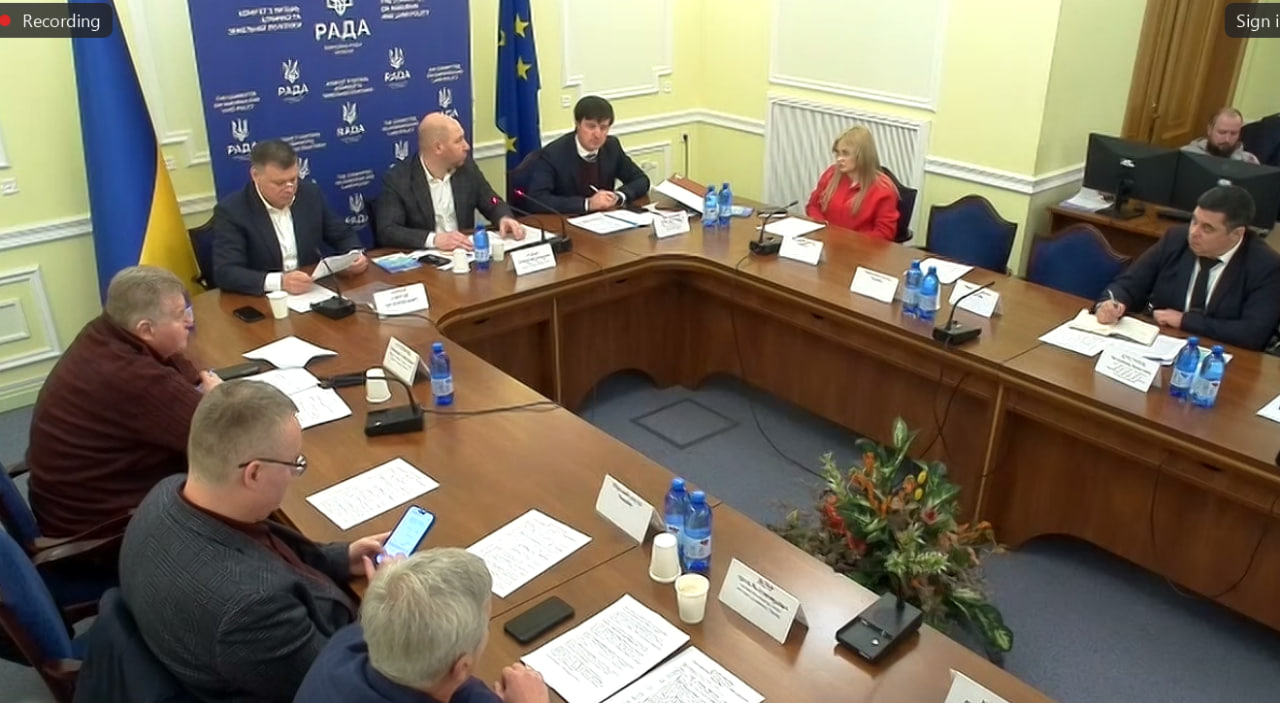
“The UAC supports the ‘School Milk’ program; however, the key issue is funding sources. A draft law on excise duty on carbonated beverages has already been registered in Parliament, and such mechanisms are successfully applied in many countries. The proceeds from this levy could be directed toward providing milk to children. This would simultaneously address sector financing and support public health,” Andrii Dykun concluded.
Thursday, 26 February 2026