Key challenges related to the development of the agricultural sector and its adaptation to European standards were discussed by representatives of the Ukrainian Agri Council (UAC) during a meeting with Prime Minister of Ukraine Yuliia Svyrydenko.
Among the key issues raised was the delay of draft law No. 14117 on the use of land for military purposes. Currently, fortifications are often constructed without a clear legal framework. It is expected that the Ministry of Defence will intensify work on the document, while the government will develop mechanisms to compensate farmers for losses.
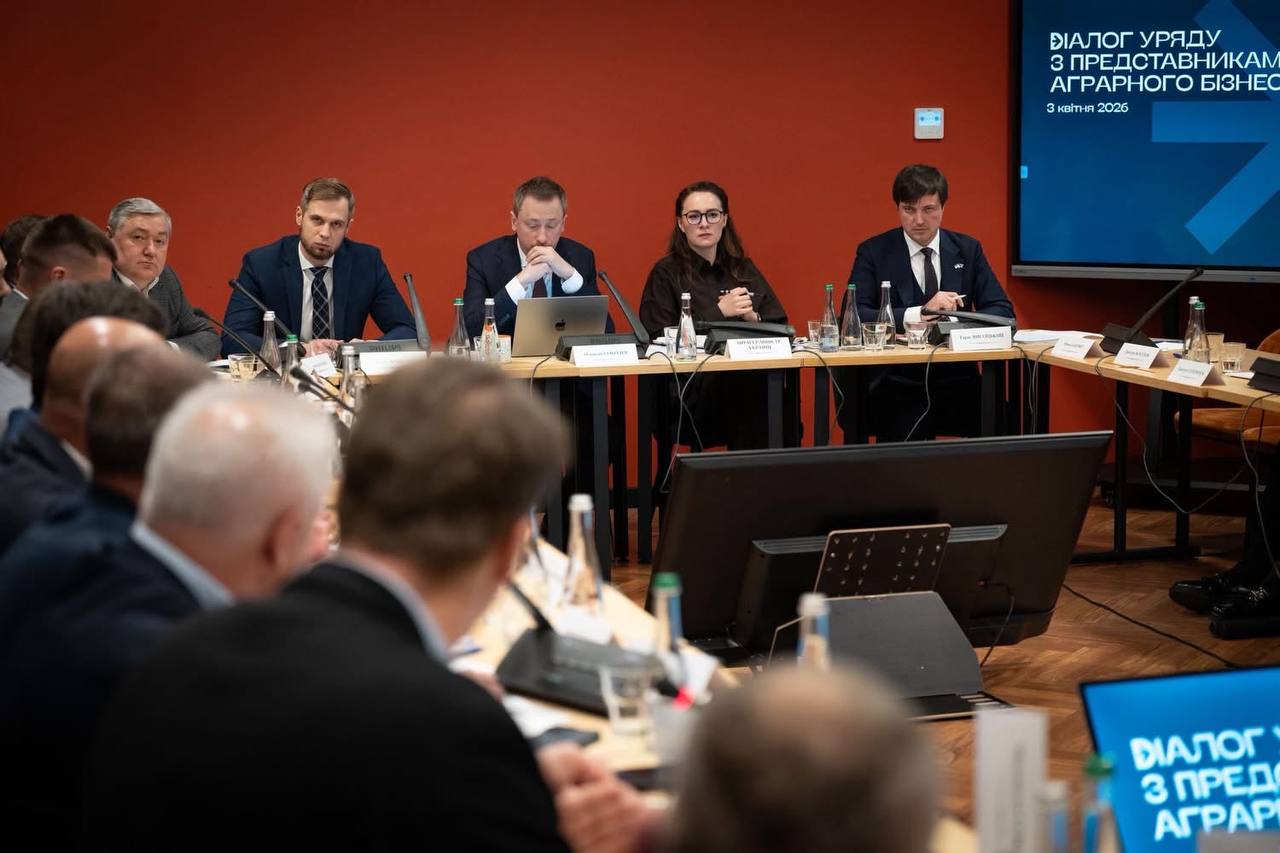
“Today, the issue of fortifications is effectively outside clear legal regulation. This creates risks for both farmers and the state,” UAC representatives noted.
According to Yuliia Svyrydenko, the government is already working on compensation mechanisms for farmers affected by fortifications. Particular attention is being paid to supporting farmers within a 20-kilometer zone from the front line — a list of such territories and relevant support programs is currently being developed.
Significant attention during the meeting was also given to the implementation of European requirements regarding plant protection products and fertilizers. At the same time, farmers emphasized the importance of a balanced approach to European integration, taking into account the economic capacity of the sector.
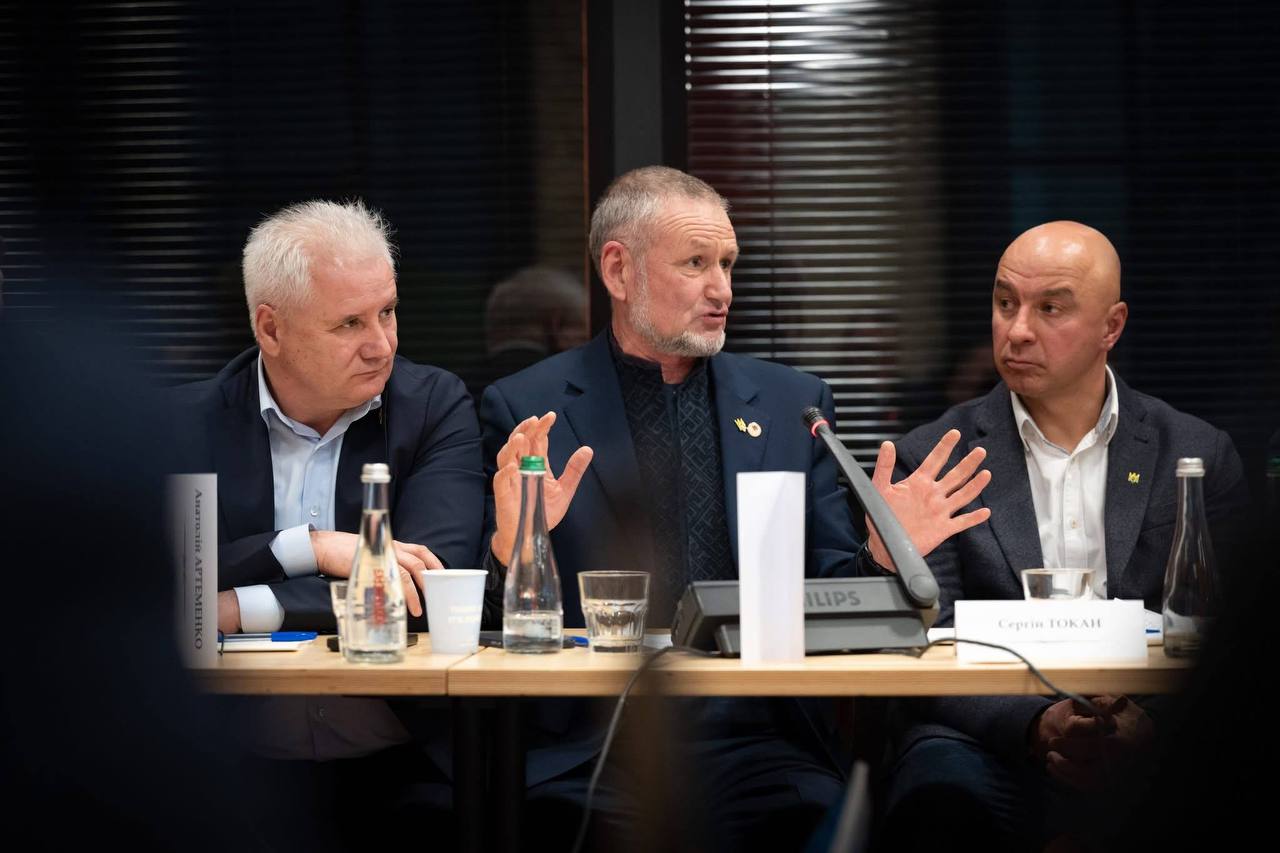
“Ukrainian farmers are already operating in line with EU rules but have neither access to the market, nor clear accession timelines, nor sufficient support. This undermines the sector’s competitiveness. Another critical issue concerns enterprises located in frontline and temporarily occupied territories, where existing mechanisms tend to restrict rather than support their operations,” stressed Deputy Chairman of the Ukrainian Agri Council (UAC) Mykhailo Sokolov.
The parties also discussed challenges related to the Environmental Impact Assessment (EIA) procedure, which is slowing down irrigation development. A positive signal was the clarification from the Ministry of Economy that EIA is not mandatory for activities carried out within existing irrigation systems.
“Today, excessive regulation of certain procedures, particularly EIA, is hindering the development of irrigation and investment in the sector. It is important to find a balance between environmental requirements and economic feasibility,” UAC representatives emphasized.
Farmers also raised concerns about practices circumventing the moratorium on inspections and proposed exempting transparent enterprises with critical importance status from such checks. The issue of employee reservation was also highlighted: due to procedural delays, enterprises are losing the ability to retain key specialists. Proposed solutions include shortening review timelines and introducing a “protection period.”
The financial block of the discussion focused on the “5-7-9” program. UAC proposed increasing the loan limit from UAH 150 million to UAH 300 million, linking it to job creation, and extending support to enterprises from temporarily occupied territories. The issue of fertilizer shortages was also raised, along with the need to conduct testing of limestone ammonium nitrate in order to revise import restrictions.
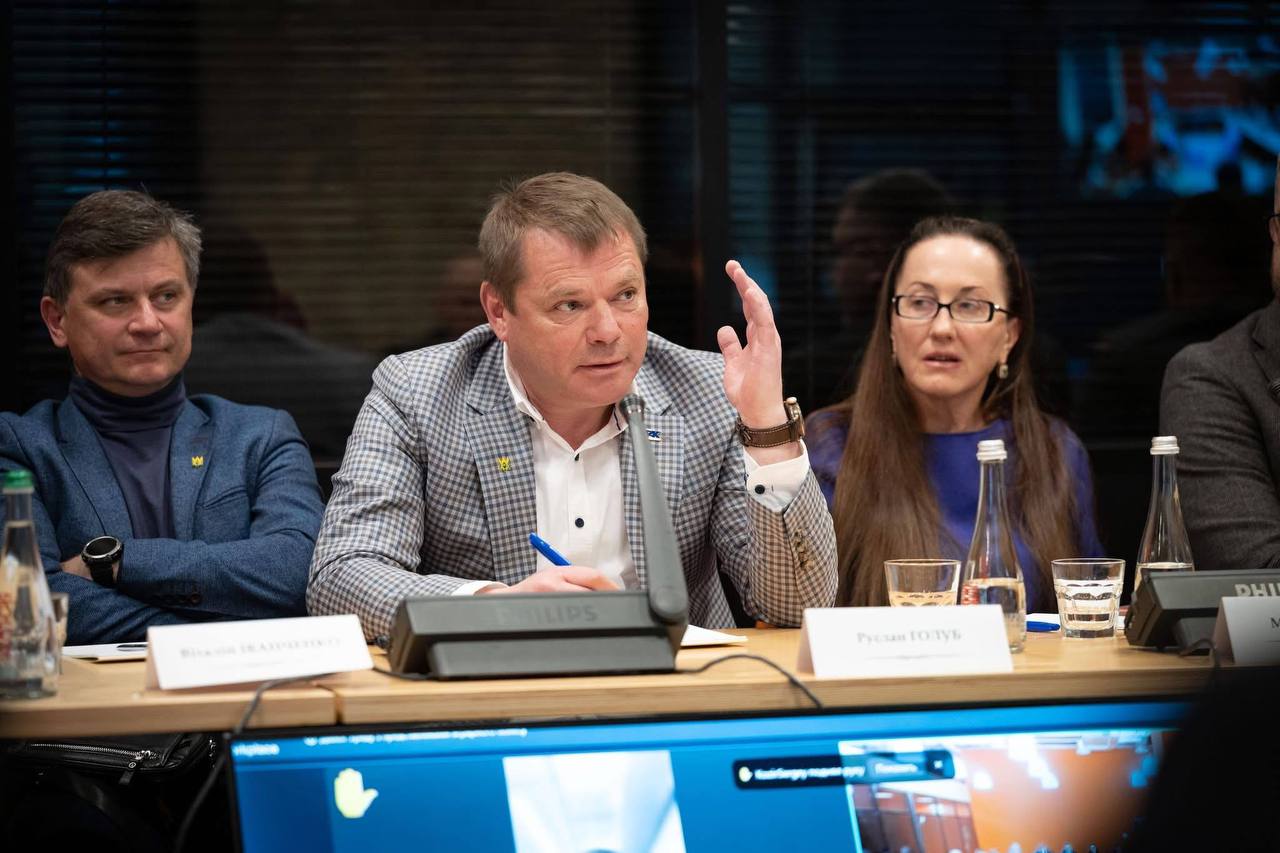
“The meeting was constructive — many important issues for farmers were raised. It is important that they receive practical follow-up,” said UAC Board Member Ruslan Holub.
Following the meeting, the parties agreed to continue working on the discussed issues through separate thematic discussions, particularly on European integration and support for enterprises from affected territories.
Monday, 6 April 2026