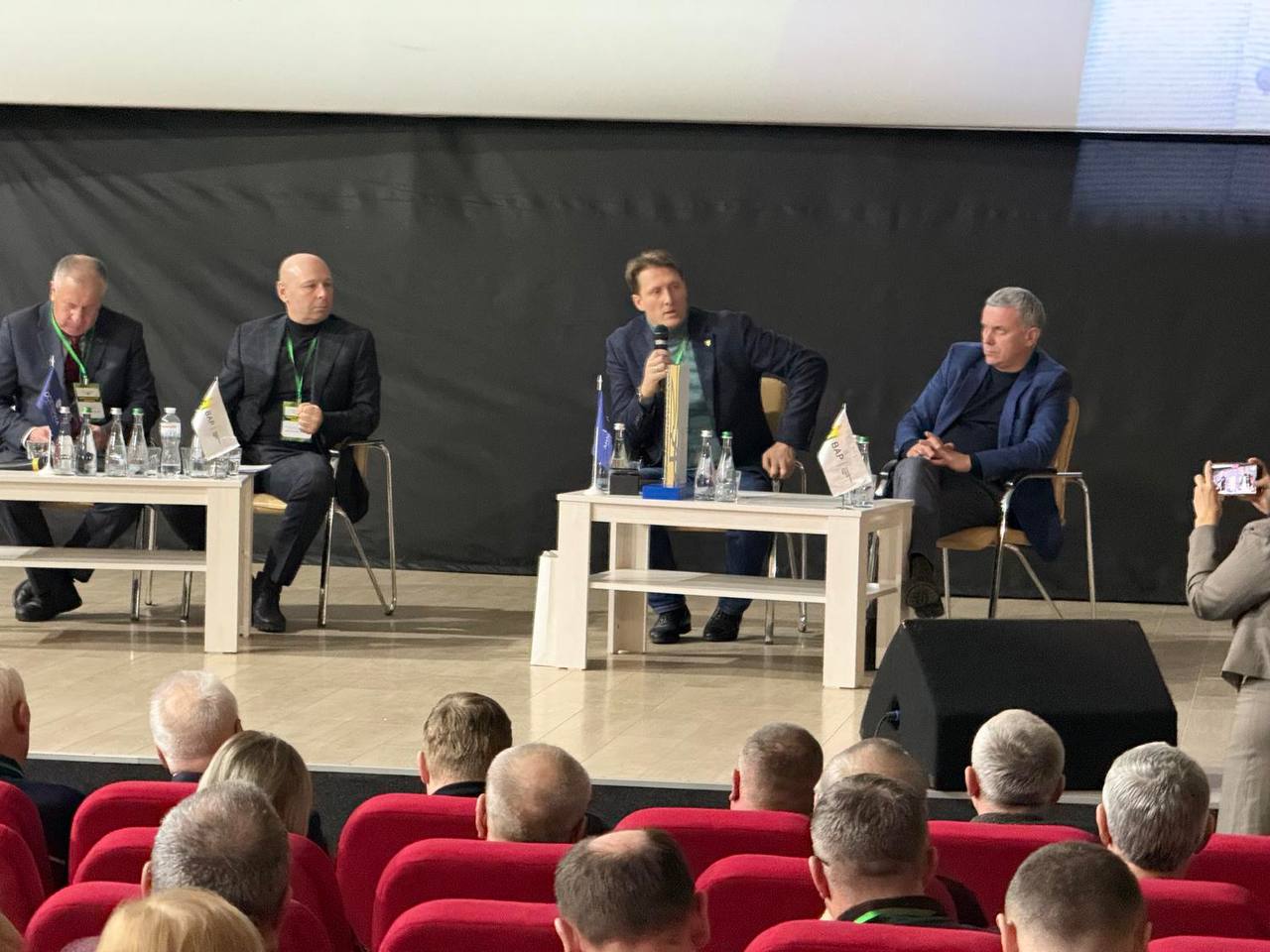
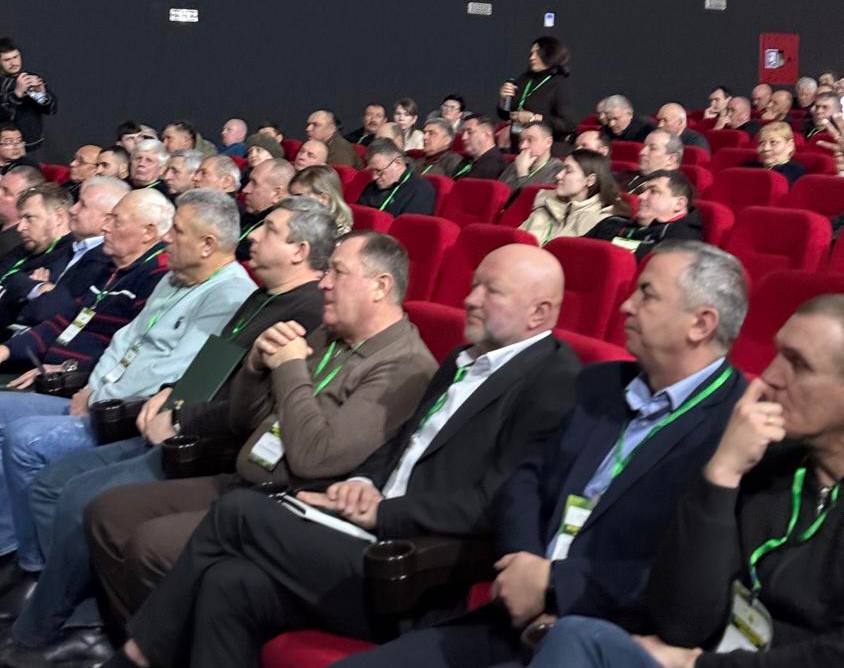
On February 17, the Farmers’ Forum of Odesa Region was held in the city of Balta, organized by the Ukrainian Agri Council (UAC). The event brought together representatives of central and local authorities, the Ministry of Economy, Members of Parliament, and agricultural producers to discuss the most pressing industry issues — from fertilizer supply to European integration and land policy.
Opening remarks were delivered by Mykhailo Lazarenko, Head of the Podil District Military Administration, and Serhii Mazur, Mayor of Balta, who emphasized the importance of supporting the region’s agricultural sector under wartime conditions.
Taras Vysotskyi, Deputy Minister of Economy, Environment and Agriculture of Ukraine, announced that the decision to adjust the normative monetary valuation of land (NMV) using a moisture coefficient is at the final stage.
“The decision will be adopted in March. The recalculation can be applied starting from the second quarter,” he stated.
The UAC had worked on updating the outdated NMV calculation methodology for more than six years. The changes will allow for a fairer consideration of climatic characteristics of arid regions, including Odesa region, and reduce disproportionate tax burdens on farmers.
Andrii Dykun, Chairman of the Ukrainian Agri Council, raised the issue of the land market in the context of Ukraine’s future EU membership. He stressed that the agricultural sector must clearly define its position and prepare for potential changes.
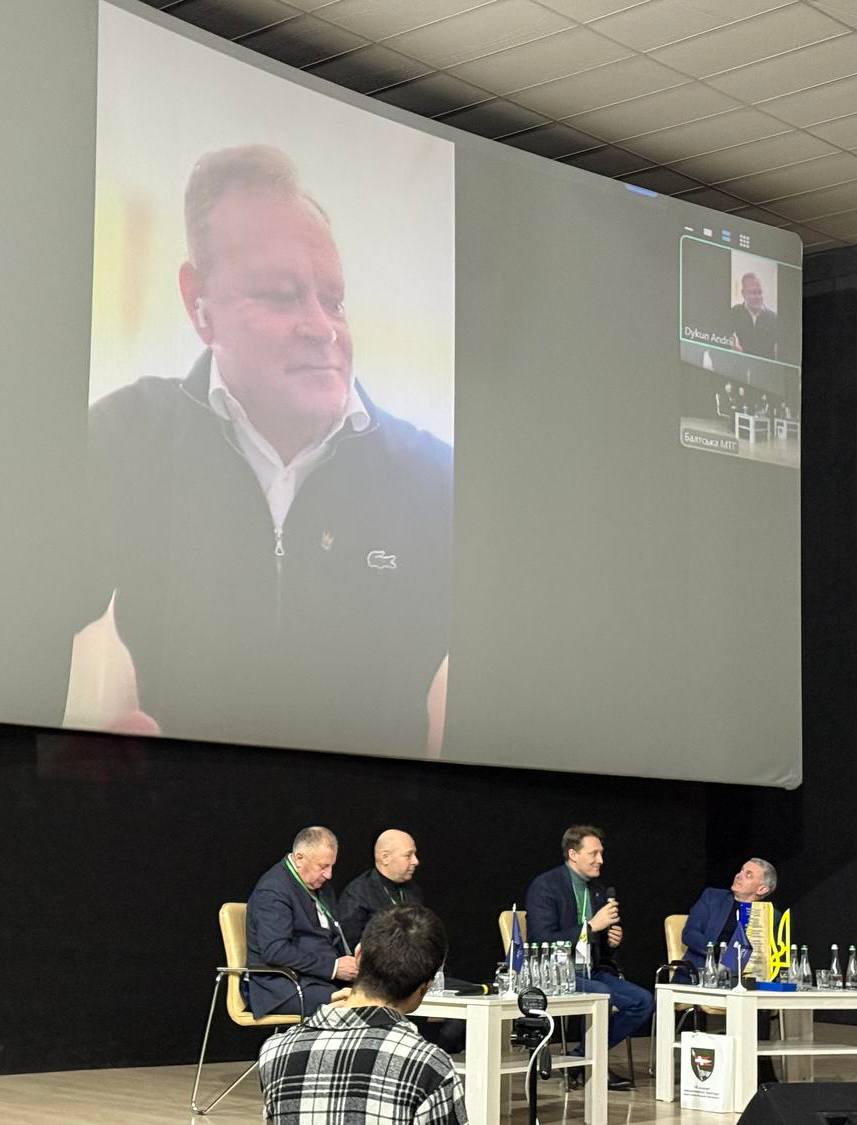
“Another fundamental issue for Ukraine is the land market. Today, foreigners are prohibited from purchasing Ukrainian land, but upon accession to the EU we will become part of a common legal space. The issue of EU citizens’ access to agricultural land purchases will inevitably arise. We should consider the experience of Lithuania and Poland, which introduced transition periods and clear requirements for land buyers, such as long-term residence and work in agriculture. Such decisions are made by parliaments. The agricultural sector must be fully engaged in this process,” Andrii Dykun emphasized.
An important topic ahead of the sowing campaign was the ban on maritime imports of calcium ammonium nitrate. Farmers stressed that, amid weather risks and limited working capital, the prompt removal of restrictions is a strategic issue.
Mykhailo Sokolov, Deputy Chairman of the Ukrainian Agri Council, noted that calcium ammonium nitrate is neither explosive nor flammable and that, given the limited timeframe of the sowing campaign, farmers must be provided with fertilizers without delay.
“We consistently raise the issue of lifting the ban on maritime imports of calcium ammonium nitrate. Under current conditions, it can become an important alternative to traditional ammonium nitrate. The UAC is systematically advocating this issue at the governmental level,” he stated.
Stepan Cherniavskyi, Member of Parliament of Ukraine, addressed the legislative regulation of fortification structures located on agricultural land.
“Since the beginning of the full-scale war, farmers from border areas — particularly from the southern direction — have been contacting me because they lost access to their land after fortifications were constructed. I fully support the UAC position that farmers must receive a clear mechanism for resolving this issue. At the same time, there is an extremely important aspect — secrecy and security. Therefore, it is proposed to record information using cadastral numbers without publicly disclosing coordinates, so as not to provide the enemy with sensitive data. I am confident that a legislative solution will be adopted, allowing producers to resume cultivation,” he said.
Participants also discussed draft law No. 14226 regarding the reimbursement of export duties paid by agricultural producers when exporting their own soybeans and rapeseed.
Farmers emphasized that export regulation of soybeans and rapeseed is a principled issue for maintaining the competitiveness of Ukrainian producers in foreign markets.
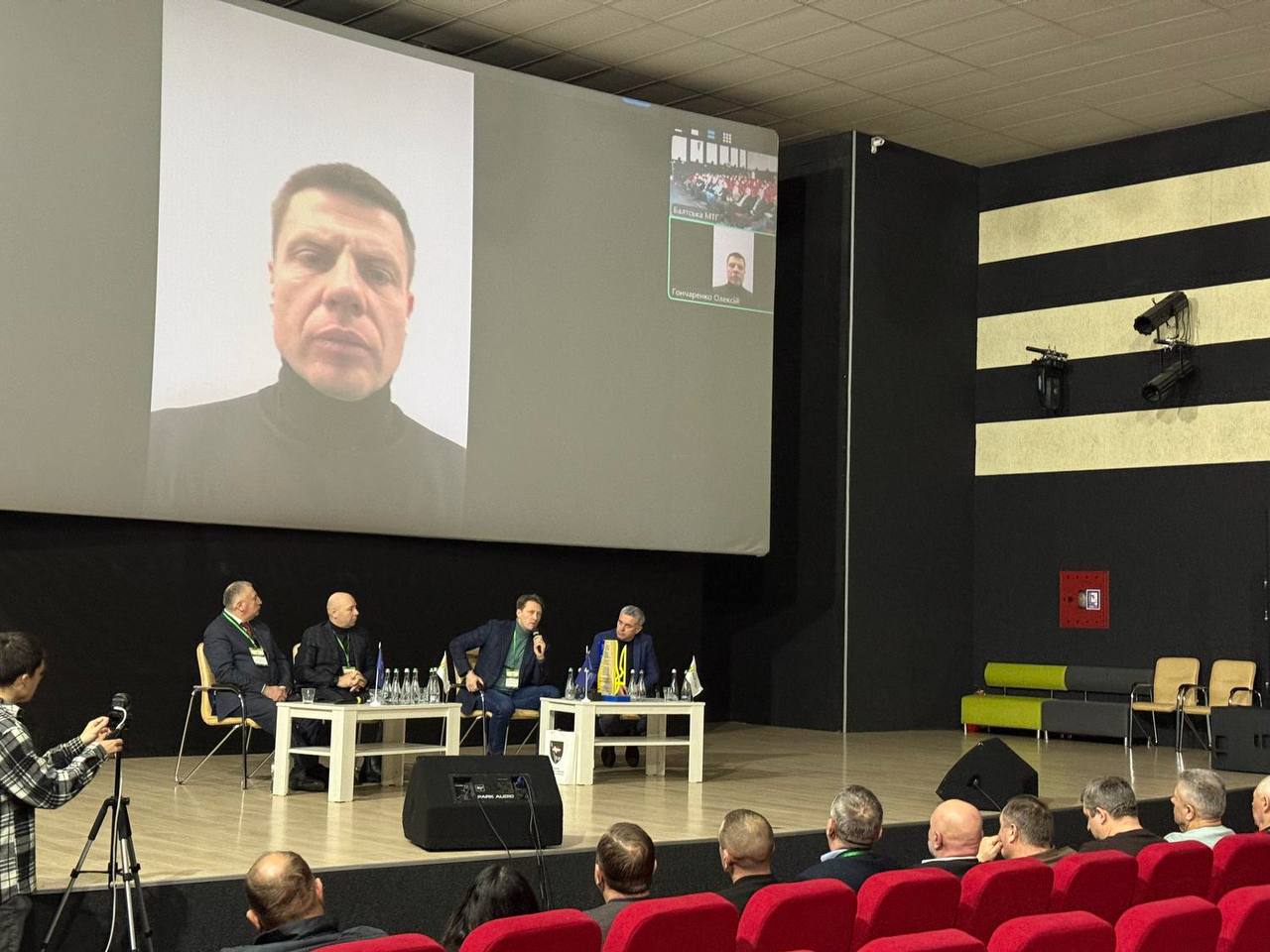
Oleksii Honcharenko, Member of Parliament of Ukraine, expressed readiness to support the draft law in parliament but noted that its inclusion on the agenda requires majority backing.
The forum also addressed the creation of an effective mechanism for agricultural land consolidation. Participants noted that fragmentation of land plots complicates production. The European experience of voluntary land consolidation — involving transparent procedures for exchange and enlargement of plots while protecting owners’ rights — was generally viewed positively. It was emphasized that adapting such mechanisms in Ukraine could increase the efficiency of agricultural land use.
Summarizing the forum, Mykhailo Sokolov, Deputy Chairman of the Ukrainian Agri Council, called on farmers in the region to join working groups for systematic cooperation with Members of Parliament. He noted that the UAC already has successful experience implementing this model in Cherkasy and Khmelnytskyi regions, enabling more effective advocacy of the agricultural sector’s interests at the legislative level.
The Farmers’ Forum of Odesa Region demonstrated the consolidated position of the industry on key challenges and highlighted the need for systematic cooperation among farmers, the Government, and Parliament to protect producers’ interests during a period of structural changes and European integration.
Wednesday, 18 February 2026