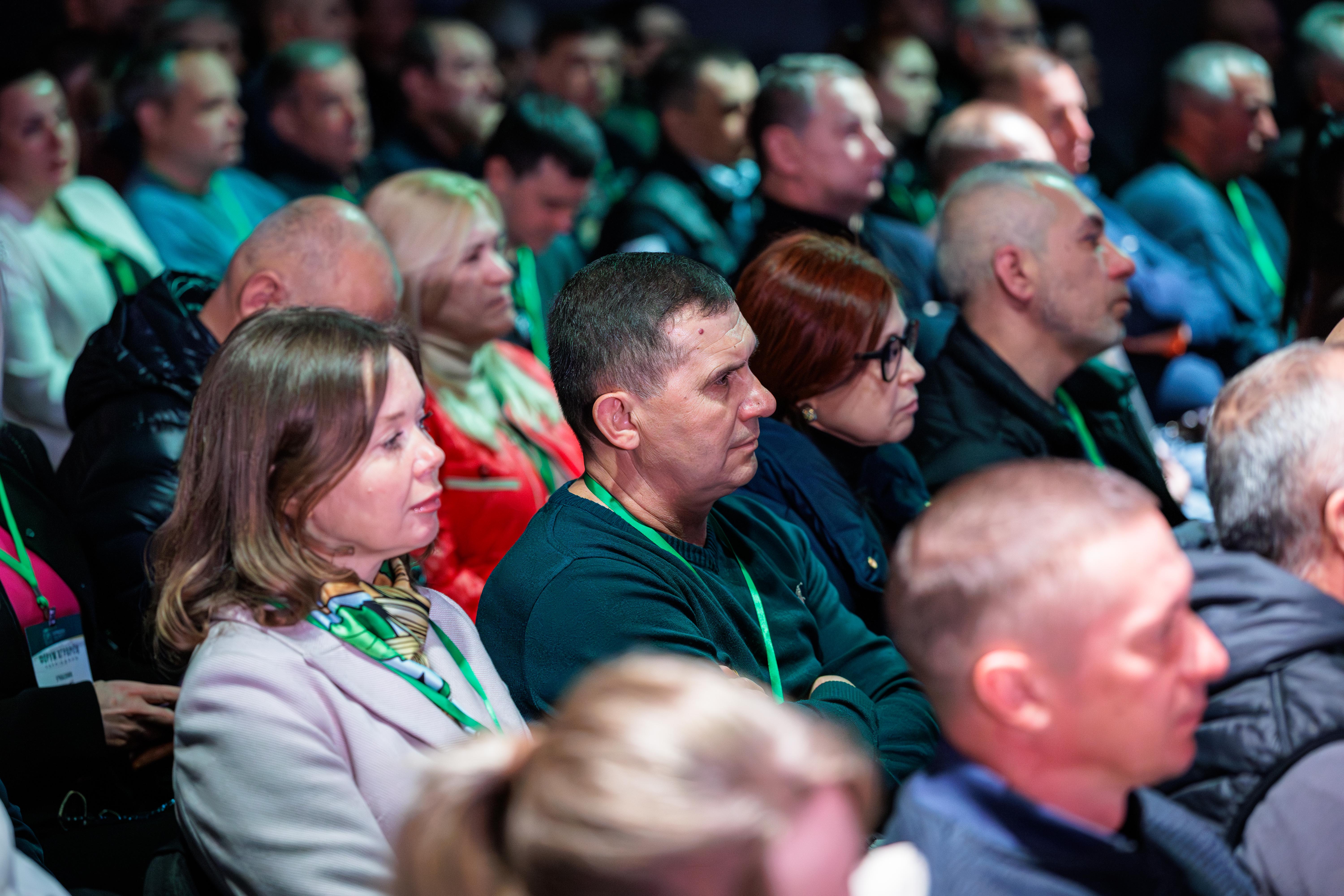
On April 22, 2026, the Kharkiv Region Farmers Forum took place in Kharkiv, organized by the Ukrainian Agri Council (UAC) with the support of the Kharkiv Regional Military Administration. The event brought together representatives of central and regional authorities, Parliament, agribusiness, and sectoral associations to discuss key challenges facing the agricultural sector amid the war and EU integration.
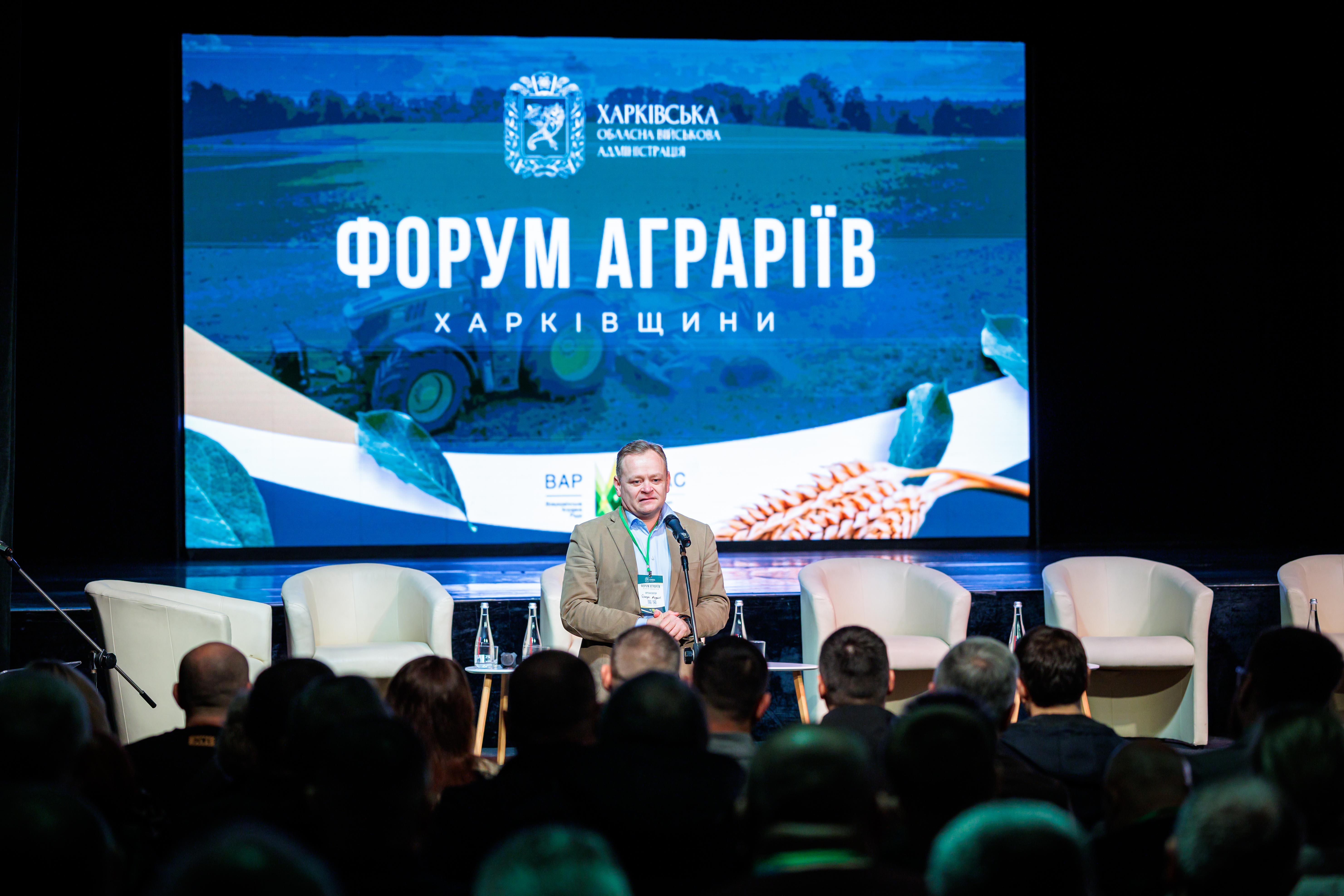
The forum was opened by Deputy Head of the Office of the President of Ukraine Viktor Mykyta, Head of the Kharkiv Regional Military Administration Oleh Syniehubov, and Chairman of the Kharkiv Regional Council Tetiana Yehorova-Lutsenko.
The situation in the agricultural sector of border regions remains challenging; however, economic activity continues. The government is gradually expanding its support instruments.
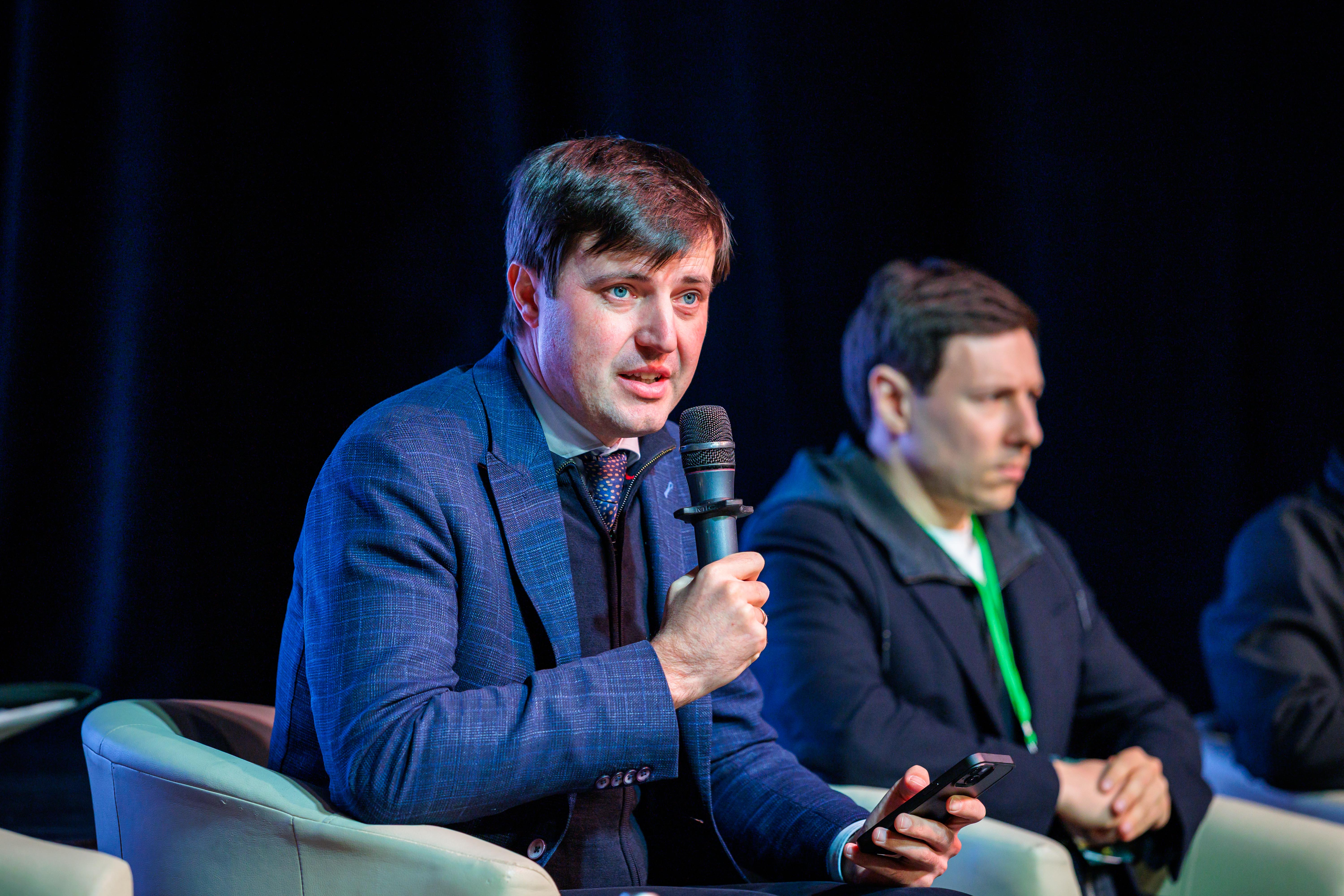
“We understand that access to financing in frontline territories remains difficult, but even under these conditions, the ‘5-7-9’ program continues to operate. This year alone, 226 agricultural producers in Kharkiv region have attracted more than UAH 2 billion in credit resources. This is the fifth-highest result among all regions of Ukraine. At the same time, only 50–60% of financing needs are being met, and we are working to expand support instruments. The program will operate at least until 2027, so we encourage farmers to make full use of its opportunities. At the same time, the government is launching new mechanisms — war risk insurance, compensation for losses, and grant programs,” said Deputy Minister of Economy, Environment and Agriculture of Ukraine Taras Vysotskyi.
Chairman of the Ukrainian Agri Council (UAC) Andrii Dyкun emphasized the strategic importance of Ukraine’s agricultural sector amid the war and global competition for resources. According to him, the role of grain production goes far beyond the country’s economy.
“Today, wheat is an instrument of geopolitical influence, often even more powerful than weapons. One of the reasons the aggressor seeks to control southern and eastern Ukraine is precisely access to this resource. Wheat is not like oil, which can be sourced from various countries. Ukrainian farmers produce a commodity of global importance for food security. This must be clearly understood both in Ukraine and in Europe,” he stressed.
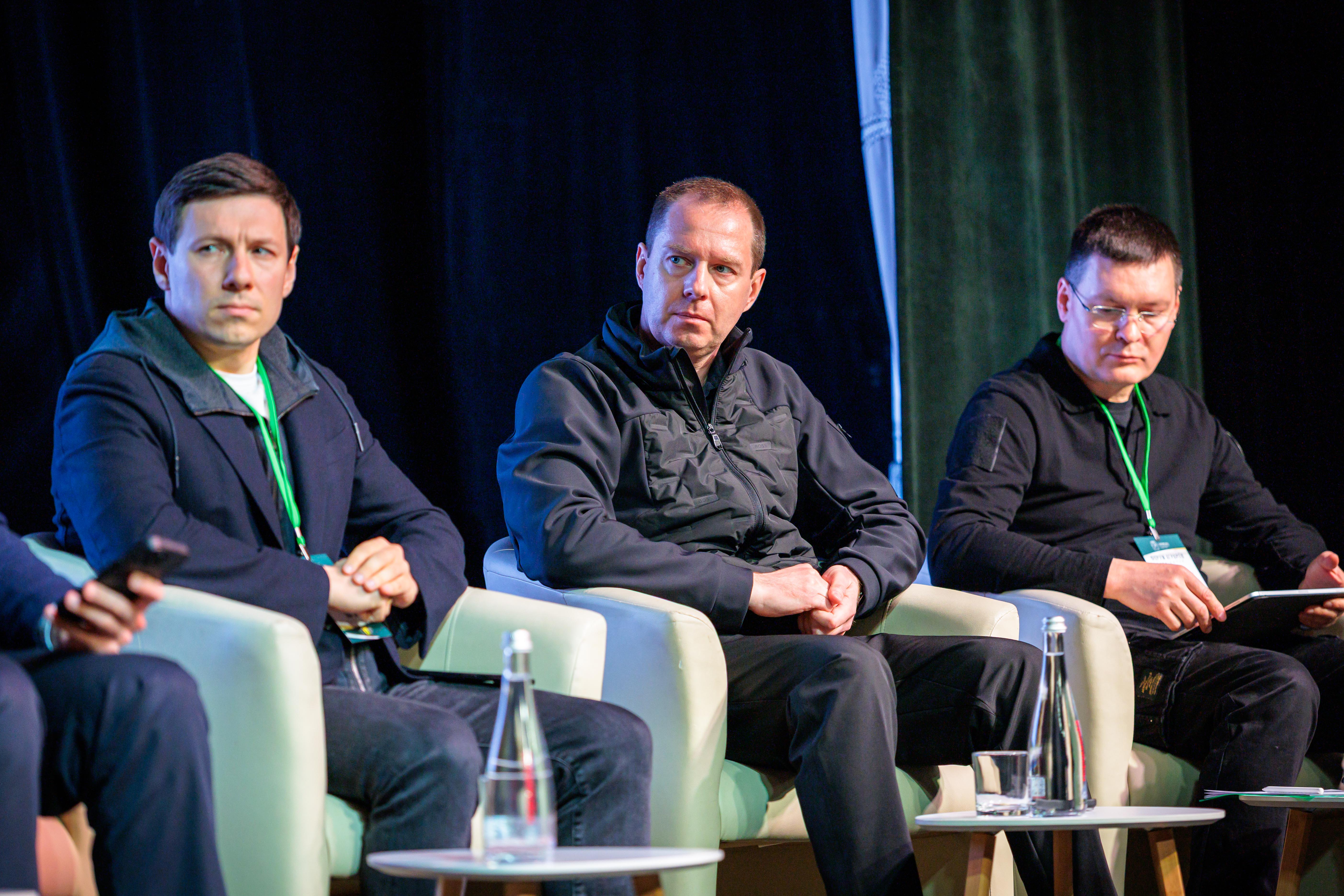
Export duties on oilseeds remain a sensitive issue for farmers. Member of Parliament Yevhen Pyvovarov emphasized the need to revise regulatory decisions regarding rapeseed and soybeans.
“We see that the policy on export duties for rapeseed and soybeans has not delivered the expected results: processing has not increased, while farmers’ incomes have declined. This means that state policy requires adjustment based on real data and market feedback. That is why the value of this forum lies in open dialogue and the development of joint approaches,” he noted.
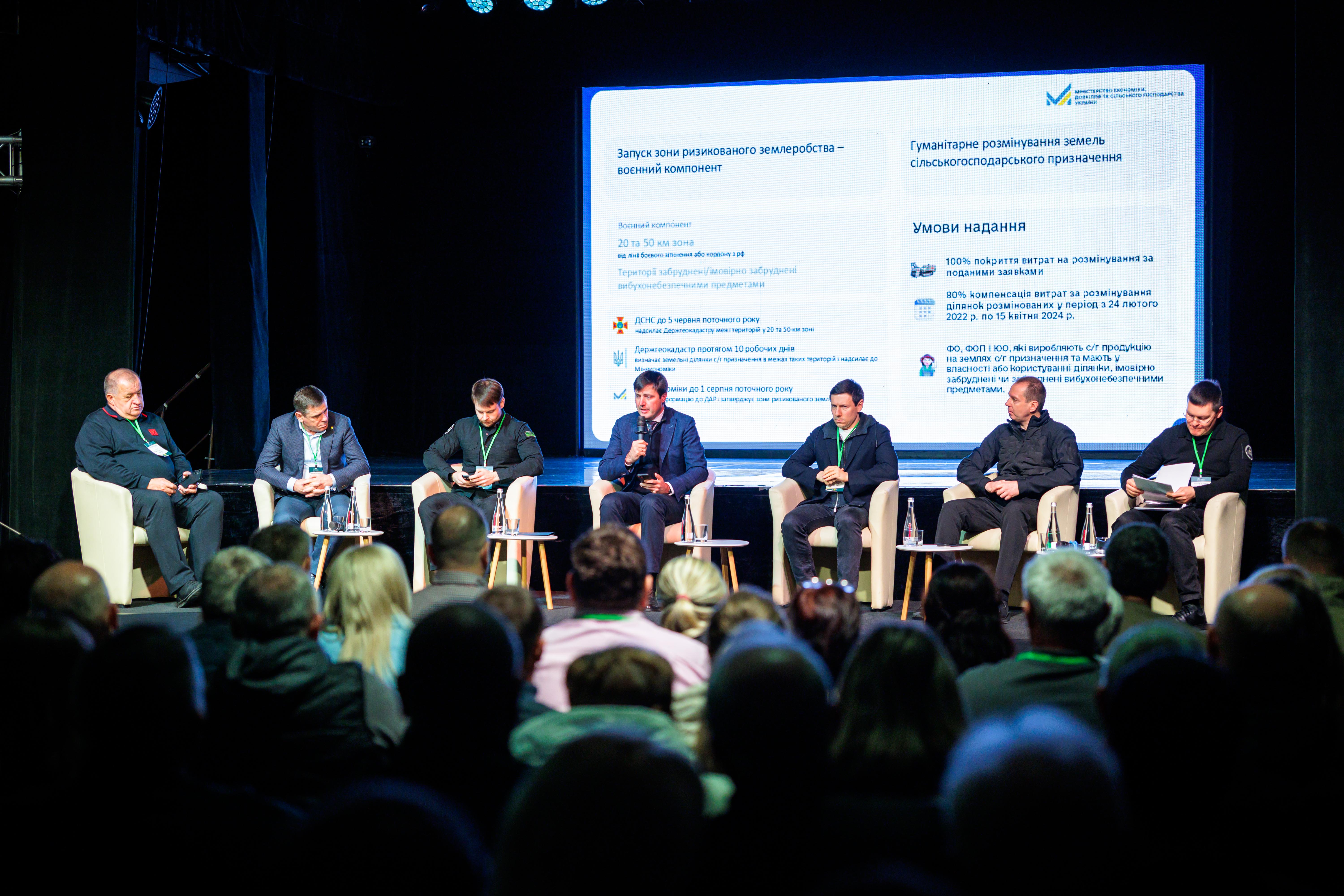
Farmers in Kharkiv region also raised the issue of demining and fortifications, which remain insufficiently regulated in Ukraine since 2014. Many facilities were constructed without proper permits and therefore lack legal status. At the same time, the land beneath them formally remains owned by landholders and used by farmers, creating a conflict between actual use and the legal framework.
“Government support for frontline territories is increasing, but it is insufficient without resolving the issue of fortifications. Land where defense structures are located is often not used by farmers but remains subject to taxation. At the same time, identifying such plots carries risks of disclosing sensitive military information. Therefore, solutions must be developed in close coordination with the military and technical experts,” said Member of Parliament Oleksii Krasov.
Together with Members of Parliament Oleksandr Bakumov, Yevhen Pyvovarov, and Stepan Cherniavskyi, participants discussed the ban on imports of certain types of fertilizers, labor relations in areas of active hostilities, the initiative to export grain through certified elevators, and the reduction of excise tax on diesel fuel for farmers.
The agricultural sector was represented by heads of enterprises and industry associations of the region. Special thanks were expressed to UAC Board Member Mykola Pyvovar for his contribution to organizing the event.
The Kharkiv event became another stage of the regional dialogue conducted by UAC to develop a consolidated position of the agricultural sector. This is the seventh regional forum, following which a working group of farmers was established to work jointly with Members of Parliament and government representatives on practical solutions to key sector challenges.
Thursday, 23 April 2026