In wartime conditions and amid ongoing budgetary challenges, predictability of state policy and the availability of risk protection instruments remain critically important for agribusiness. Key tax, financial, and strategic decisions that will directly affect agricultural producers were discussed during the All-Ukrainian Top Crops Congress, organized by the Ukrainian Agri Council (UAC) with the participation of representatives of the Government and Parliament.
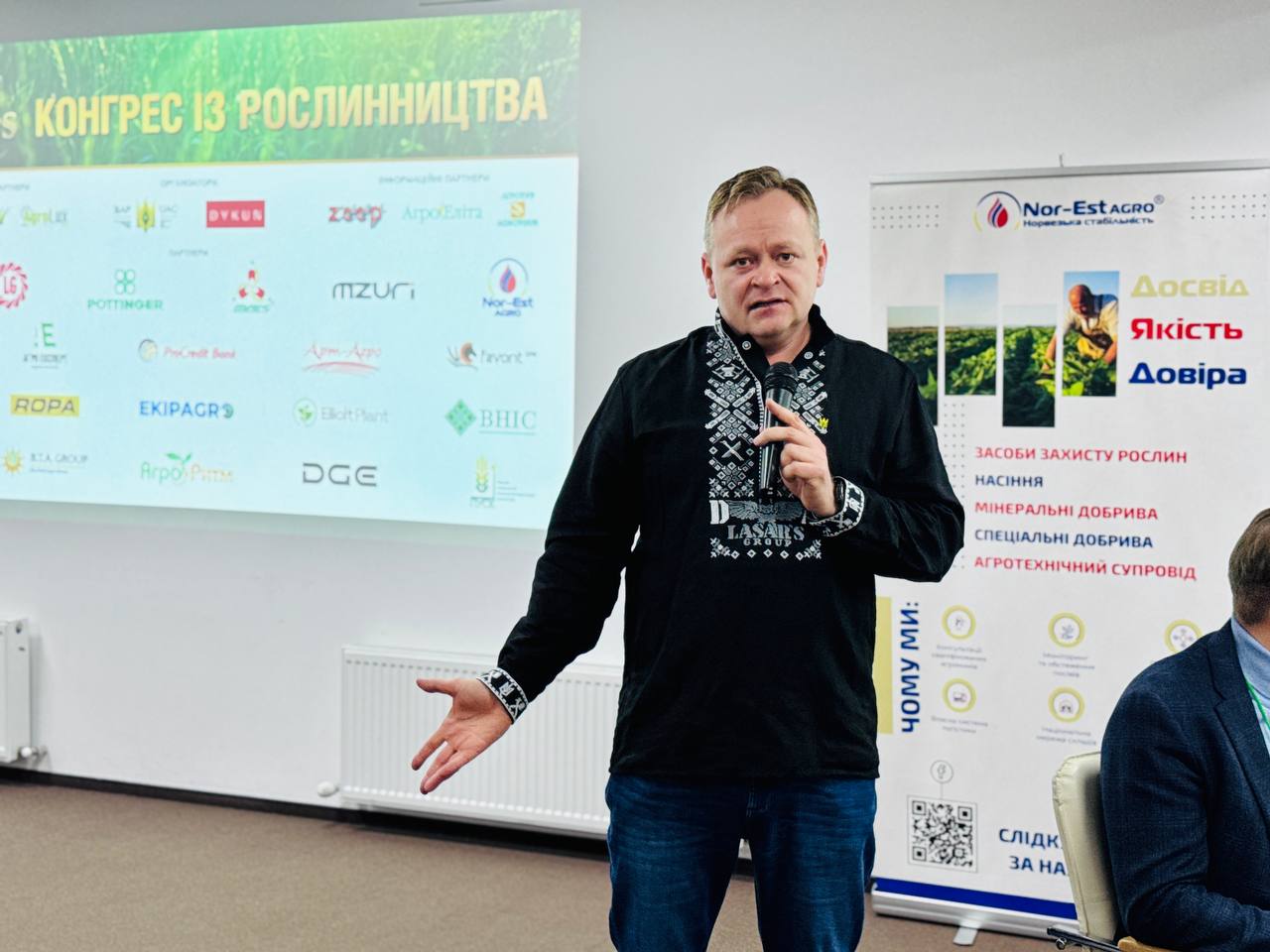
In particular, discussions covered preparations for Ukraine’s EU accession negotiations, active participation of sectoral associations in shaping negotiation positions, the land market, personnel reservation and recognition of agricultural enterprises as critically important, updating the normative monetary valuation of land, and effective management of state and municipal agricultural land.
Taras Vysotskyi, Deputy Minister of Agrarian Policy and Food of Ukraine, paid special attention to the launch of the state agricultural insurance program, describing it as one of the key practical tools for protecting businesses against wartime and climate risks. According to him, the mechanism will operate in a pilot format this year with limited but guaranteed funding, allowing procedures to be tested and the system to be launched in full operation.
“This year, a relatively small amount — about UAH 60 million — has been allocated for state-supported agricultural insurance, which can be increased in the future, along with the list of eligible crops. The program is implemented through accredited insurance companies selected according to strict criteria set by the National Bank of Ukraine. Currently, three insurance companies have already joined the mechanism, and several more are preparing to undergo accreditation. Farmers can pay the insurance premium and, if located in frontline areas, receive compensation of up to 60%, or up to 45% in other government-controlled territories,” Taras Vysotskyi stated.
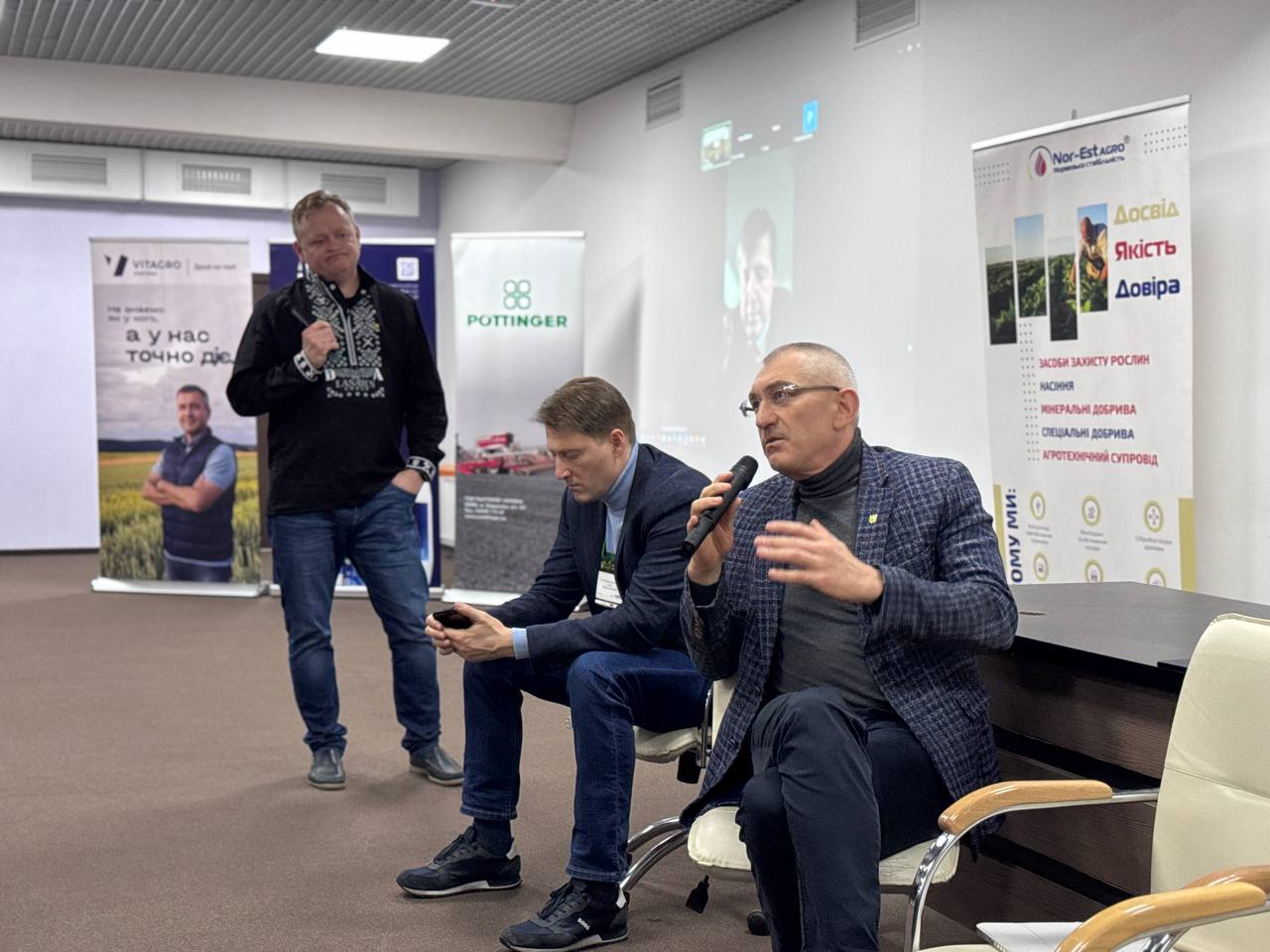
Agricultural insurance is a tool that has long been the foundation of production stability in developed countries. Andrii Dykun, Chairman of the Ukrainian Agri Council, emphasized that climate risks are intensifying every year, and the state is unable to compensate losses after natural disasters each time. Under such conditions, insurance must become a systemic solution rather than an exception.
“Insurance is essentially a form of indirect state support that has long existed in the United States. Americans do not formally call it subsidies, but they compensate farmers for crop insurance. When drought hit the right-bank part of Kherson region and Mykolaiv region this year, it became clear that there were no budget funds available to compensate losses. How are farmers supposed to survive? If crops had been insured, they would have received guaranteed payments. This is how it works for American farmers. For them, agriculture is not a casino, but a predictable business. Ukrainian farmers, especially in risk-prone farming areas, should actively adopt agricultural insurance,” Andrii Dykun noted.
Danylo Hetmantsev, Member of Parliament of Ukraine and Chairman of the Verkhovna Rada Committee on Finance, Taxation and Customs Policy, outlined the state’s tax and budget priorities. According to him, the focus remains on fulfilling obligations to international partners, ensuring budget revenues, and combating shadow schemes. Special attention was also given to excise policy on fuel for agricultural machinery — an issue directly affecting production costs, logistics, and profitability.
“As for the excise tax on fuel for agricultural machinery, it will not change until the end of the year and until the end of martial law. The committee maintained a firm position, which is why draft laws on this issue were withdrawn and sent for revision,” Danylo Hetmantsev said.
.jpg)
Oleksandr Kovalchuk, Member of Parliament of Ukraine and Deputy Chairman of the Verkhovna Rada Committee on Finance, Taxation and Customs Policy, added that in 2026 the tax committee will also focus on improving the administration of the Minimum Tax Liability (MTL) and supporting relocated enterprises.
The agricultural sector is entering a period of intensive legal and regulatory changes related to alignment with EU standards. This was emphasized by Ivan Chaikivskyi, Member of Parliament of Ukraine and Secretary of the Verkhovna Rada Committee on Agrarian and Land Policy:
“One of the key issues we are discussing is Ukraine’s accession to the EU. We need to implement around 300 legislative acts. This is a massive amount of work that must go through committees, parliamentary procedures, and approvals. Therefore, agribusiness should not wait. Companies must already begin studying how Europe operates, what rules apply there, and prepare their enterprises accordingly.”
.jpg)
Congress participants also noted that effective work by government institutions and parliamentary committees today is impossible without systematic interaction with farmers and sectoral associations. Only through joint efforts can practical solutions be developed and legislation adopted that truly works for agricultural producers.
Wednesday, 4 February 2026